
LANGUAGE:
A PROJECT OF:

How Reading Works / Knowing How to Read Accurately, Quickly, and with Expression
KNOWING HOW TO READ ACCURATELY, QUICKLY, AND WITH EXPRESSION

Teachers Call This Skill:
FLUENCY
Fluent readers are able to read at a natural pace and with expression as though they were speaking.
Reading with expression means using different voices for characters, reading with excitement if there’s an exclamation point, and trying to read with the same voice you use when talking with a friend.
Children who can read accurately, quickly and with expression will have an easier time understanding what they read because they won’t be stuck on sounding out words. Building fluency is like building a muscle, it takes practice and reading many times to get stronger and faster!
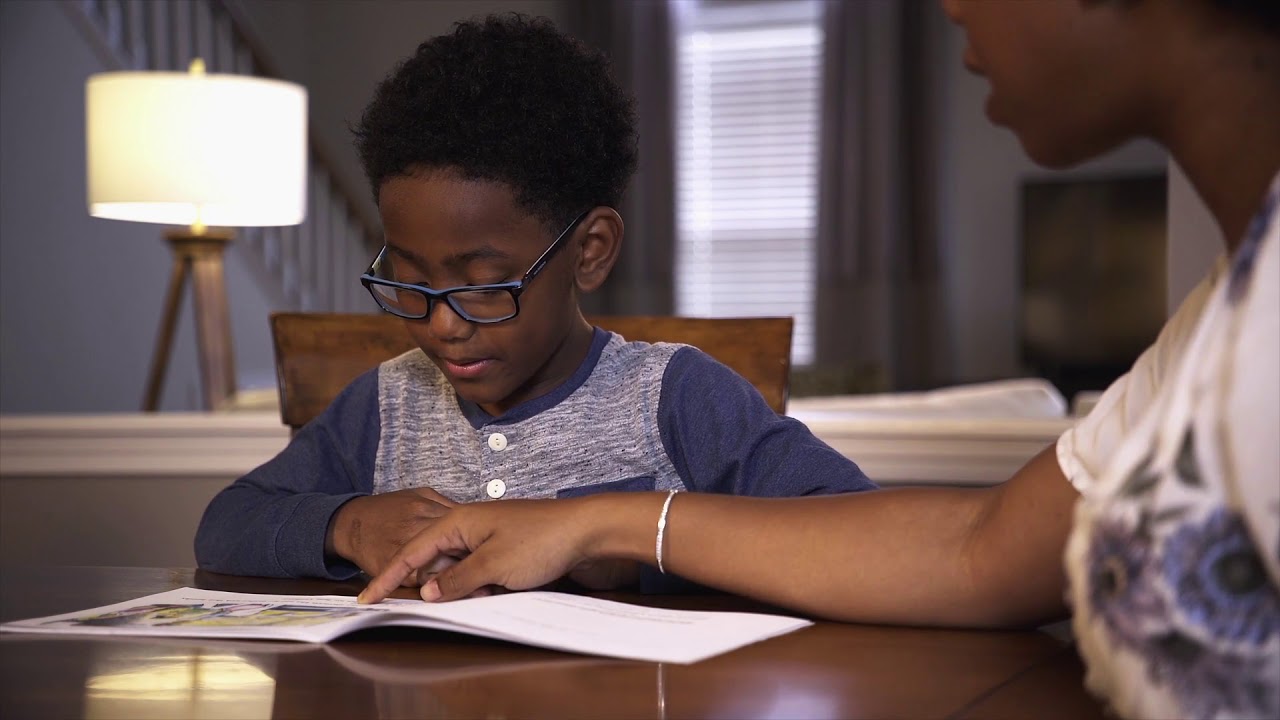
WATCH & LEARN: FLUENCY


WATCH & LEARN: READING BY SYLLABLES


Captions and Languages
To watch videos with subtitles: Click the settings icon in the lower righthand corner, next click “subtitles,” and then “English.”
To see subtitles in another language, after selecting English, next click “auto-translate” and then select the language of your choice.
TRY THESE ACTIVITIES
Chorus Read
A chorus read is when you and your child read at the same time, like how singers sing in a chorus! Pick a paragraph in a story and let your child get practice in reading fluently with you.
Echo Reading
While reading a book to your child, have them repeat a sentence from the story after you have read it. Let them practice making their voice sound natural and changing the tone as the sentence ends. If a character in the story speaks, model how they talk, then have your child repeat after you.
Read Books On The Right Level
It's important to help children from experiencing frustration as they try to read. This means finding a book that they are able to read comfortably and offer only a slight challenge, in other words, a book the child can comfortably read most of the words they see. Early reading books with pictures and large font help boost children’s confidence and excitement when they realize they can actually read the book! Check out the decodables page to choose from a large selection of books that children can read.
Practice Sound, Letter, and Word Fluency:
In order to become fluent readers, children need to be identify letters, sounds, and words fluently.
-
Start with Sounds:
-
Focus on Letter Sounds: Choose a letter (e.g., "s" or "t") and practice saying its sound aloud. Make sure you say it clearly and correctly.
-
Sound Blending: Choose two or three sounds (like /b/ and /at/) and blend them together to make a word (like "bat"). Practice blending sounds smoothly.
-
Sound Stretching: Take a word (like "cat") and stretch it out slowly: /c/ /a/ /t/. Then, say it quickly.
-
-
Practice Letters:
-
Letter Identification: Look at a letter (e.g., "a") and say its name and sound. Practice this with a few letters at a time.
-
Letter Writing: Write the letter on paper while saying the sound it makes aloud. This helps connect the letter to its sound.
-
Letter Matching: Use flashcards or a letter chart. Say the name and sound of the letter, and match it with the correct object or picture that starts with that sound (e.g., "B" with a picture of a "ball").
-
-
Word Fluency Practice:
-
Read Simple Words: Start with simple words (like "cat," "dog," "bat"). Practice saying them aloud quickly and clearly.
-
Sight Words: Practice reading high-frequency words (e.g., "the," "and," "is") without sounding them out. Try to recognize these words right away.
-
Word Building: Use letter tiles or cards to build words. Start with a basic word (like "hat") and change one letter at a time (e.g., "hat" to "bat" to "cat").
-
Help Your Child Sound Out Words and Stop Guessing
Check out these tips from All About Reading to learn how to help your child sound out words instead of guessing when they come across a word they don't recognize. The more they practice, the more fluent readers they will become.
Practice Using Syllable Types to Read Longer Words
There are six syllable types, and you can remember them by the acronym CLOVER. Use these syllable practice cards to help your child read syllables, so they can work towards decoding longer words.
C = closed syllable
L = -le
O = open syllable
V = vowel teams
E = silent e
R = bossy R
Identify The Syllables
Level 1: Tell your child a word and have them clap the syllables. Tip: have them put their hand under their jaw while they say the word. Each time their jaw moves, that's one syllable.
Level 2: Show your child a word (here are some examples on Twinkl) and have them them divide the word into syllables, then read the word syllable by syllable.
Practice Reader's Theater
-
Choose a Story: Pick a short story or a fun script. You can use a book, a fairy tale, or make up your own story! This site has a lot of scripts to choose from.
-
Pick Your Characters: Decide who will play each character. If there are more characters than people, you can have one person play two roles or just read the parts aloud.
-
Prepare the Script: Print or write down the script or story. Each person should have a copy of their part to read.
-
Practice Reading: Read through your lines. Remember to read slowly and with expression, pretending to be your character. If you want, you can add simple actions or gestures to make it more fun.
-
Have a Performance: Once you’re ready, perform the story for family members or friends. You can sit or stand, depending on what feels comfortable.
-
Have Fun: The goal is to enjoy the story and bring it to life with your voice and imagination!
