
LANGUAGE:
A PROJECT OF:

Search by Age / Grade / Second Grade
SECOND GRADE

FALL MILESTONES
(by Halloween)
Click on the name of the reading skill below each milestone to learn more and find activities and resources.
Read by syllable types: open & closed syllable, syllables with final e, syllables with vowel pairs, r-controlled syllables, and consonant l-e syllable (e.g. student, inside, paper, purple, etc.)
Reading Skill
Respond to who, what, where, when, why, and how questions about stories and books, both orally and in writing.
Reading Skill
WHAT READING SKILLS IS MY CHILD LEARNING IN SECOND GRADE?
-
Academic Milestones are key academic skills that students need to develop at each grade.
-
The literacy milestones are critical literacy skills that build on each other and prepare students for achievement in the next grade and beyond.
-
These literacy milestones come from OUSD's Academic Milestones, but are based on California grade level standards and are applicable for a child at any school.
WINTER
(by Valentine's Day)
Click on the name of the reading skill below each milestone to learn more and find activities and resources.
Read and write words with multiple
syllables (e.g. pretend, misrepresent,
undertake).
Reading Skill
Understand and read words by applying syllabic patterns:
-
vowel-consonant/consonant-vowel (VC/CV)
-
vowel/consonant-vowel (V/CV)
-
vowel-consonant/vowel (VC/V) splits (e.g. summer, open, metal)
Reading Skill
Recount stories and figure out their central message, lesson, or moral.
Reading Skill
Talk and write about the main idea and the author’s purpose in a nonfiction book.
Writing Sample
Coming Soon
SPRING
(by summer break)
Click on the name of the reading skill below each milestone to learn more and find activities and resources.
Read and write words with multiple syllables (e.g. provided, childhood, distinction).
Reading Skill
Understand and read words with common roots, prefixes, & suffixes (e.g. graph: geography; mis_: misunderstand; _ance: circumstance; or _ence: presence).
Reading Skill
Compare and contrast two nonfiction books on the same topic or two versions of the same story by different authors.
Reading Skill
Explain and write opinions about books using important details and examples to support a position.
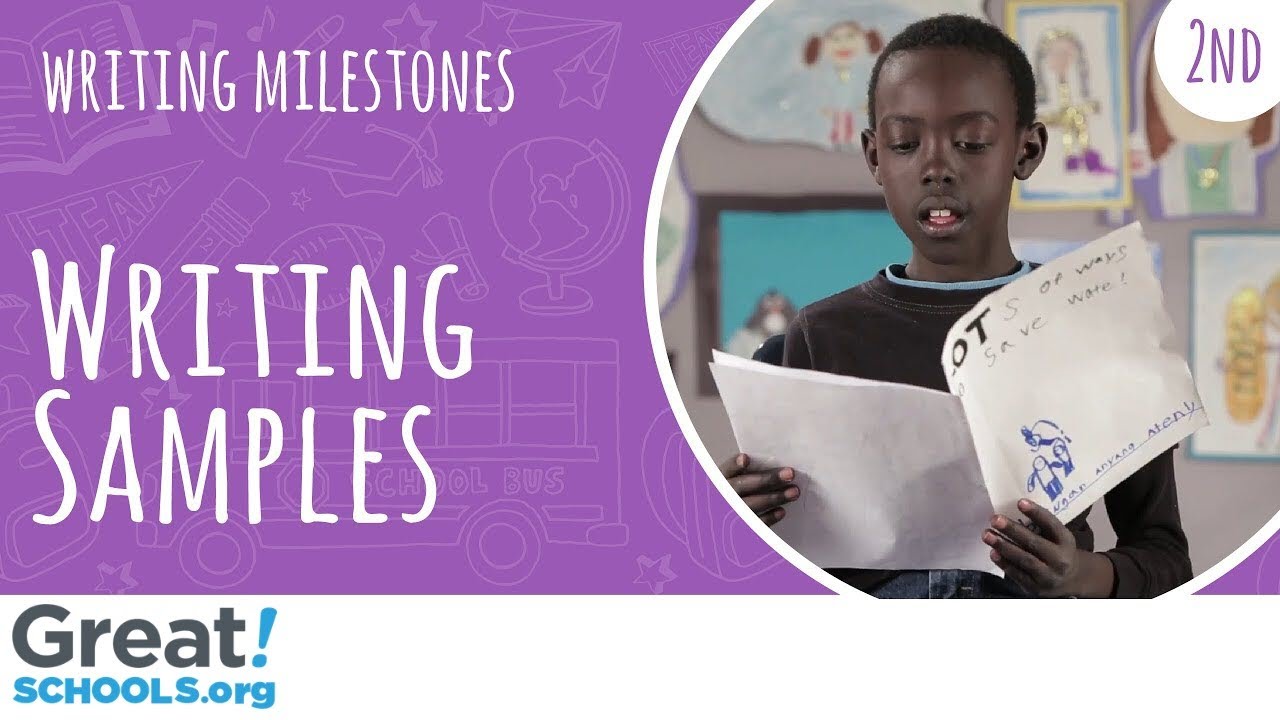
Writing Sample




Captions and Languages
To watch videos with subtitles: Click the settings icon in the lower righthand corner, next click “subtitles,” and then “English.”
To see subtitles in another language, after selecting English, next click “auto-translate” and then select the language of your choice.
-SPANISH VIDEOS -
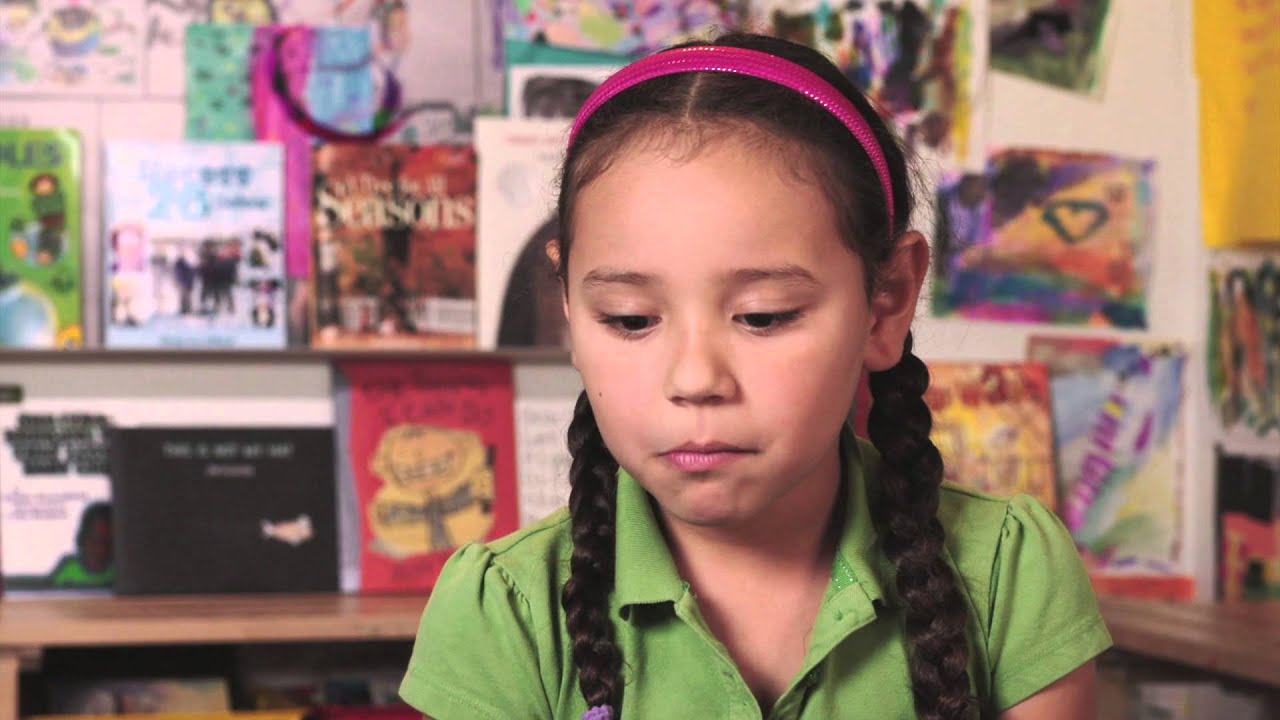
WHAT DOES READING AND WRITING SOUND LIKE IN SECOND GRADE?
Watch these videos to learn what Second Grade students should be able to do by the end of the year.


WHEN READING AND WRITING TOGETHER...

Ask your child questions about the books they read:
-
Who is the main character? Where does the story take place?
-
What is the problem? How is it solved?
-
What lesson does the story teach you?
-
Did you like or dislike the book? Why?
-
What are some important details in the book?
Ask your child to tell you a story with a beginning, middle, and end. Then, have them write it down.
For children with disabilities, ask your child to “write” a high frequency word in the air with their finger while they’re spelling it or build it with clay, spaghetti, or other household items.
OAKLAND RESOURCES


SORA:
OUSD'S DIGITAL LIBRARY
Read anywhere, anytime, from any device!
Read and check out books from the OUSD eBook Library and the Oakland Public Library. Sora includes books, audio books and magazines that are popular with students, in English and Spanish.
Students can sign into Sora with an OUSD username and password or by going to the Sora icon in Clever.
